





Vegasino Withdrawal And What Actually Starts The Clock
Many players think payout timing starts the second they click confirm. In practice, the clock has several layers. A request can move through account review, payment-channel handling, and receiving-bank or wallet timing before the money feels truly finished. That is why one simple number never tells the whole story.
For example, two players may send a request on the same day and still get very different arrival experiences. One uses a familiar method on a fully checked account and sees a smooth path. The other changes a payment route, triggers a document review, or sends the request near a weekend. The headline says “withdrawal,” but the actual route is not identical.
This matters because disappointment often comes from expecting one moment when there are really several. Internal handling may be quick while the final arrival still depends on the chosen route. The smarter approach is to read payout timing as a sequence, not as one instant event.
A calm player does not ask only, “How long will it take?” A calm player asks, “Which part of the process am I currently in?” That question makes the wait easier to understand and makes the next step easier to choose.
Why Vegasino Withdrawal Time Can Stretch
Cashout speed usually changes for ordinary reasons, not dramatic ones. The account may need identity review, the selected route may move slower than another route, or the request may land outside normal banking hours. None of this automatically signals a problem, but all of it can change how the player experiences the timeline.
A common case looks like this: someone sees the request marked as processed and expects the funds to appear immediately in the final destination. Then the receiving side still looks unchanged for a while, and anxiety begins. The better interpretation is that the request left one stage and entered another. Internal progress and final arrival are connected, but they are not the same moment.
Another point is timing discipline. A request sent from a tired or irritated mood often feels slower because the player keeps checking the result every few minutes. A request sent with a realistic window in mind usually feels easier to manage, even if the calendar time is identical.
What To Check Before A Vegasino Withdrawal
The cleanest requests usually come from accounts that are already tidy. Before sending money out, open the profile area, review the visible balance labels, confirm that the personal details still look right, and check whether any note is already waiting in the account.
Picture this: a player finishes a session, heads straight to the cashier, and only later notices that a verification prompt was already visible in the account area. The request now feels delayed, even though the account had quietly explained the next step in advance. One calm minute before the request often saves much more time than it costs.
This is also the right moment to check whether the chosen payment route still matches the account setup. Small mismatches create larger delays than many players expect, especially when a new destination is introduced right before cashout.
Payment Routes, Fees, And Method Choice
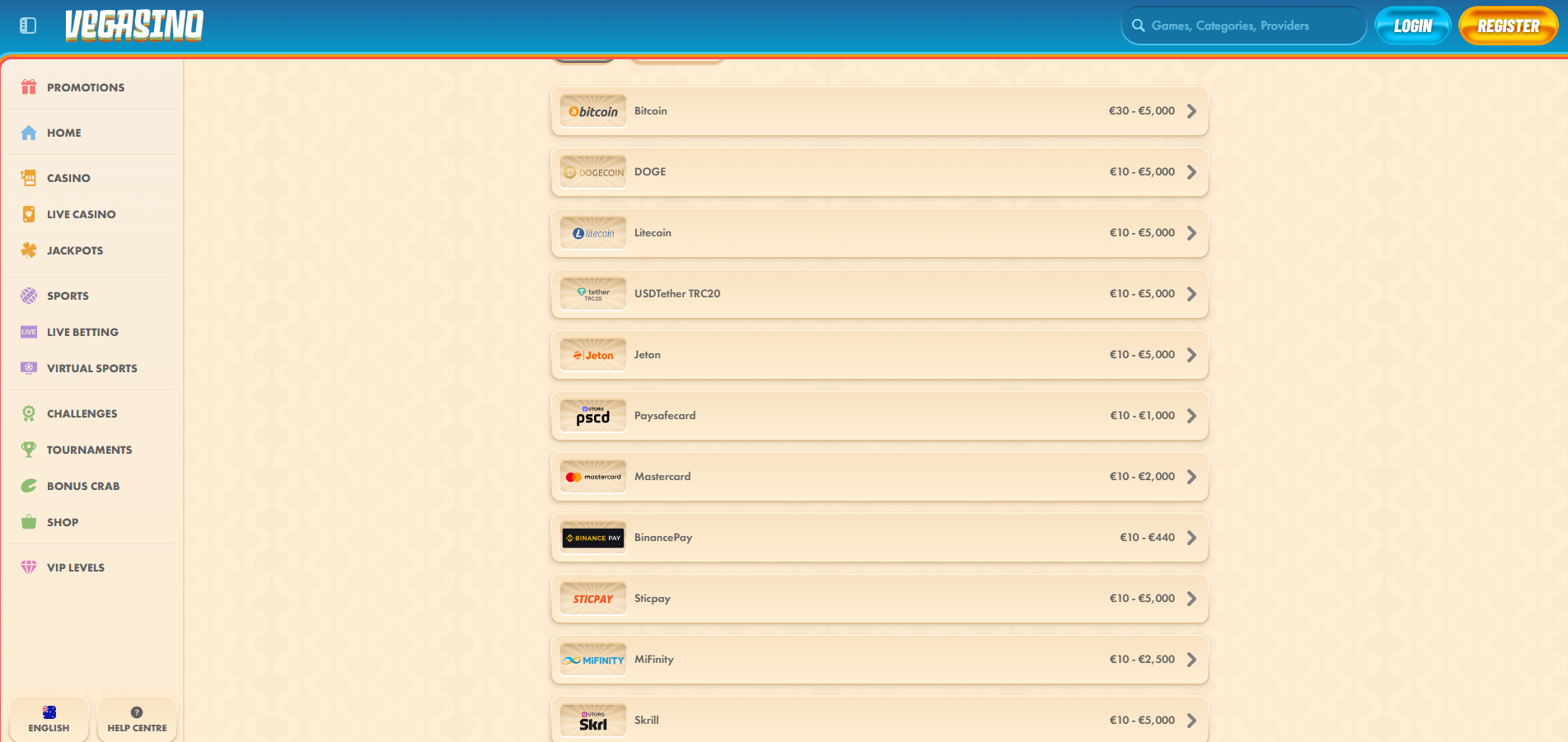
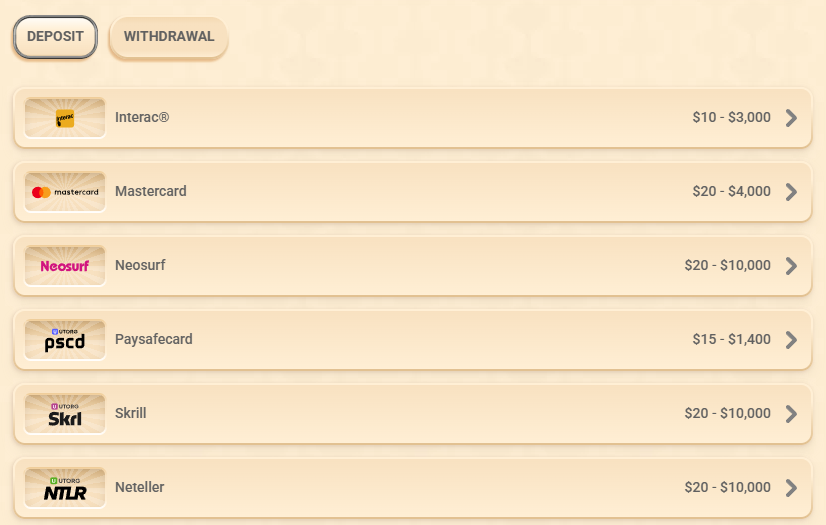
Not every payout route behaves the same way, and treating them as interchangeable often creates confusion. Some routes feel fast because they sit well inside standard banking cycles. Others feel fast because the internal handling is quick but the final destination still needs extra time to reflect the movement. The player does not need to memorize every technical detail, but the player does need to stop assuming that all methods feel identical.
Method choice also affects how clean the record will look later. A familiar route that the account already knows is often easier to trace than a brand-new route added in the same session. That does not mean a new route is wrong. It means the player should expect a little more friction when changing habits at the exact moment money is moving out.
Fees deserve the same kind of caution. Sometimes the issue is not only speed but structure. A player who splits one intended cashout into several smaller requests may create more cost or more tracking noise than expected. A single clear request is often easier to follow than three nervous ones.
The practical mindset is simple: choose the route that fits the account, the timing window, and the need for clean tracking - not just the route that looks most convenient in the moment.
Cashout planning area | What to check | Why it matters |
|---|---|---|
Account status | Whether profile and review sections look complete | Unfinished checks can pause a request |
Selected route | Which method will receive the funds | Each channel can move at a different pace |
Request size | Whether the amount fits visible limits and current plan | Oversized or fragmented requests create friction |
Timing window | Whether the request is sent near weekends or busy periods | Banking calendars still affect arrival |
Balance type | Which funds are actually ready to move out | Not every total behaves the same way |
Account history | Date, amount, and current status of the request | Essential if support has to investigate |
How E-Wallet And Crypto Paths Feel Different
Some players prefer digital wallets because the path often feels cleaner and easier to track. Others prefer crypto because it feels modern, flexible, and more direct. Both ideas can be true, but neither method removes the need for discipline.
A common mistake is treating a newer or faster-feeling route as if it automatically solves every timing issue. It does not. The account still needs to be in order, the selected destination still needs to be correct, and the player still needs to read the visible status instead of guessing. The label on the method changes the route, but it does not remove the need for review.
Crypto adds another layer of caution because technical confidence can reduce ordinary care. A method that feels advanced can trick the player into moving too fast. The better habit is slower: confirm the route, confirm the destination, and confirm that the request still fits the plan.
Account History, Review Steps, And Pending Status
Pending status is one of the most misunderstood parts of the process. Many players read it as failure when it usually means the request is still moving through a review stage. The practical response is not panic. It is inspection.
Open the history first. Look at the date, the amount, the visible state, and any note connected to the request. Then open the account or verification area and see whether the platform is already asking for something specific. Quite often, the next useful action is already visible before any message to support is written.
A common case is simple: the player sees no final arrival yet, assumes the money is stuck, and starts sending repeated questions without first checking the account history. That creates more noise than clarity. A stronger move is to read the sequence before reacting to the feeling.
Account review is easier to handle when the player treats it as part of account readiness, not as a personal insult or a surprise attack. Identity checks, payment-method checks, and document requests belong to the same logic: the platform wants the account state to match the money movement. When that logic is accepted early, the whole process feels less mysterious.
The activity record is useful for another reason too. During a fast session, memory becomes unreliable. Players forget which balance changed first, which menu they opened before the request, or whether they adjusted the method during the same visit. The history slows the story down and turns it into visible steps.
Planning The Amount And Avoiding Repeated Requests
A payout request should be treated like part of bankroll management, not as an afterthought. Before the money moves out, the player should decide not only where it will go, but how much should leave in one clean action. This matters because repeated requests often create more friction than one carefully planned request.
For example, a player may already know the target amount and still send several smaller requests because smaller numbers feel easier to control. Later the same player has to interpret a more complicated history, compare several statuses, and work out whether a fee or timing difference came from the method or from the pattern of requests itself. What looked simpler becomes harder.
A cleaner strategy is to define the amount in advance, match it to the visible account rules, and send one request that the player can easily track from start to finish. Calm structure beats repeated improvisation almost every time.
When A Second Cashout Creates Extra Friction
A second request does not always cause trouble, but it can. The more separate movements the player creates in a short period, the more detail needs to be checked later if something feels slow or unclear. One request creates one timeline. Three requests create three timelines.
If you already know the amount you want to move, ask whether a second click is really solving anything or only making the record more crowded. Many players do not notice the cost of extra complexity until they need to explain the situation to support.
Why Small Splits Can Slow Clarity
Small splits feel harmless because each one looks manageable. The issue is not the number itself. The issue is the administrative shadow it creates. More entries mean more status lines, more timestamps, and more chances to misread the actual sequence.
That becomes especially important when the player is already emotional. A crowded history is harder to read calmly, and a hard-to-read history often makes a normal wait feel like an abnormal one.
Using One Clean Request Instead Of Three
One clear request usually gives the player more control than several reactive ones. The amount is easier to remember, the timeline is easier to follow, and the next step is easier to explain if help is needed. This does not mean multiple requests are always wrong. It means they should be chosen deliberately, not created by impatience.
If the plan is clear, let the payout structure reflect that clarity. The history should tell one simple story whenever possible.
Vegasino Withdrawal Time After Approval
Approval and arrival are not always the same thing. A request can move past an internal step and still need time to appear in the final destination. Players who understand this difference usually react better because they know that one completed stage does not always mean the whole journey is finished.
This matters most after a request leaves the internal queue. The player sees progress and expects the final balance to update immediately somewhere else. Sometimes that happens. Sometimes the receiving side still needs time. The better question is not “Why is nothing happening?” The better question is “Which stage has already finished, and which stage is still in motion?”
Reading payout timing this way reduces unnecessary stress. It also helps the player decide when a wait is ordinary and when a support question is actually worth sending.
How Banking Hours Still Matter
Even when internal handling is quick, external calendars still matter. Banking hours, weekends, and provider timing can all shape how soon the funds feel real on the receiving side. Players sometimes hear “fast payout” and assume the calendar no longer matters. In reality, the calendar still matters a great deal.
If a request is sent late in the week or near a slower processing window, the total experience may feel longer even if the internal side moved fast. This is not necessarily a sign of trouble. It may simply reflect the path the money still has to travel.
Why Support Needs A Clear Timeline
Support is most effective when the player brings a timeline instead of a mood. Date, amount, selected route, current status, and any related account note matter far more than a long emotional summary. The clearer the sequence, the easier it becomes for another person to understand what actually happened.
A useful support request does not need drama to sound serious. It needs order. Say when the request was sent, what amount was involved, which method was chosen, and what the current status shows. Support can investigate a sequence. It cannot investigate a feeling on its own.

Support, Limits, And Safer Cashout Habits
The safest cashout habits begin before the payout request and continue after it. Review the account, choose the route carefully, read the balance labels, check the history, and avoid turning one calm request into several reactive ones. These habits do not sound exciting, but they protect both time and money.
Limits belong in the same conversation. A player who thinks about cashout timing should also think about session structure. The cleaner the session boundaries, the cleaner the cashout tends to feel afterward. A session that ended because the rule said stop is easier to cash out from than a session that dissolved into one more spin, one more click, one more try.
There is also a mental advantage to clean endings. When the visit ends because the plan says it should end, the payout request becomes part of closure instead of part of a mood repair attempt. That difference matters because money decisions made from closure are usually calmer than money decisions made from frustration.
The most useful personal rules are plain. One session per evening, no sign-ins after a certain hour, or one clear review routine before any money movement can all work. The rule does not need to sound impressive. It only needs to be clear enough to follow consistently.